
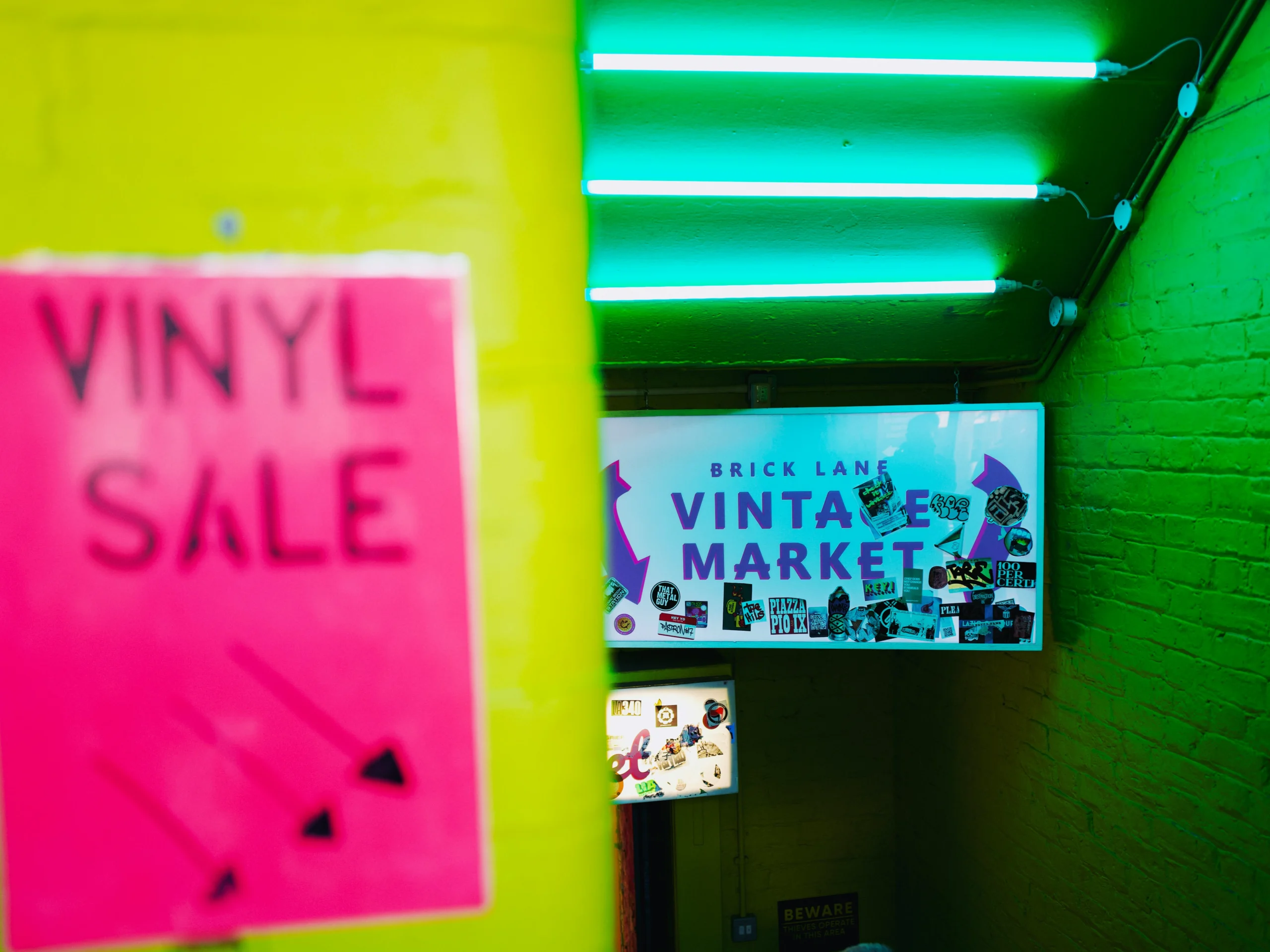
Image by Daniel Gynn
“This is the one I love,” I said, pointing to the canvas with the impression of a jungle, a house sunken into it and a storm-mauve sky.
“Yes, I do too, but I think the price?” she replied, raising her palm to indicate it may be too high. She is the artist’s partner.
“No,” I said firmly, “no, you are both too close to it. This is the right price, and this will sell.” And it did.
Pricing is personal
I am fascinated by how creatives and freelancers approach pricing. Because how we price our work and our time is a direct representation of how we ‘price’ ourselves. It is linked to self-worth. In a CHI 2021 study of US freelancers on Upwork, researchers found that people with higher self-esteem were more likely to use value-based pricing. This, in turn, was associated with higher bill rates. In other words, how much you believe you’re worth shows up in how you price.
That’s easy to see in someone else’s painting. It’s harder to believe about your own stock.
Building a price that reflects the real work
I learned about this directly while working with my vintage curator client. I could see that her prices weren’t reflecting the quality of the piece, or the work that had gone into sourcing and preparing it.
I held up a 1970s brown cord DKNY blazer in immaculate condition. I named a price.
“But it feels too much,” she said.
I turned my laptop screen to face her. I had built a calculator with fields for miles covered and expenses while sourcing (she goes far to get the right stuff). A cost-per-item that covers laundering, photographing, packaging. And a mark-up that finally reflected the value of her taste, how she selects one piece out of hundreds, saving her customer hours of trawling online and in markets, and her access to sources most people simply don’t have.
She slipped on the jacket and looked in the mirror.
“The cut is exquisite, isn’t it?”
I nodded.
“OK, let’s do it.” she said, turning to the rail of jackets with fresh energy.
She hadn’t priced this way before. Almost nobody does, at first.
Pricing your work for the customer you actually have
Cost was only part of the picture. Her customer base was shifting too. She was attracting buyers looking for higher-end pieces, people who didn’t blink at £85 for a heavy wool knit. Why would they, when a new wool crew neck at All Saints goes for £159? Vintage customers get the quality, the unique edge, and something new retail can’t offer at all: provenance. The pricing needed to catch up with both realities at once: what the work actually cost her, and who was actually buying it.
So this wasn’t about ‘charge more’. There were three things.
- Rebuild the pricing logic so it accounted for every real cost, not just what she’d paid for the item.
- Reframe the offer around the customer she was actually serving now, not the one she’d started out serving.
- Test the new prices somewhere the room would back her up.
Putting new prices to the test
We picked a very high-end antique and vintage market event as the road test. The rails were sparser than usual, fewer pieces with more space between hangers. Not because there was less stock, but because a crowded rail says simply secondhand haul, and a considered one says this was chosen. The buyers there already expected quality and rarity at a price, and the environment did some of the convincing for her before a single customer said a word. I went with her, so I could see the business in action, meet the customers and watch their response to the garments and the prices in real time.
A man came in looking for a cord jacket. We had three on the rail at that moment, not ten crammed in and competing with one another, and he tried them one by one. The third (olive green, suede collar) fit him perfectly. He hadn’t looked at a single price tag the whole time. When I rang it through at £75, he looked almost surprised.
“That all?”
“Yes,” I said. “It’s a very good price.”
It was. Too good, if I’m honest, I saw that we’d missed the sweet spot. But watching her watch that sale happen mattered more than the few pounds we’d left on the table.
The result – and what’s left to fix
Still, revenue for the stock sold at that event increased by more than 25%. And we didn’t put off her regular customers in the process. We’d just finally priced for the customer already in the room.
There’s still work to do. If this is who’s buying now, the sourcing has to catch up. We need to spend more per piece to bring in the quality that will delight this customer and carry a price tag to match it. That’s what that CHI study was really pointing at: self-belief and pricing aren’t separate things. And self-belief can be hard to manufacture on your own, in a business you’ve built by yourself, pricing pieces only you have seen up close. Sometimes what changes the number isn’t a better formula. It’s someone else in the room who already believes it, and more importantly, believes in you.
If your prices haven’t kept up with what your work is actually worth, that’s usually the first thing we fix. Book a free chat and I’ll show you how.
0 Comments